
Exploring architecture in middle or high school is an excellent way for students to begin developing the creative and analytical skills the field demands. Early design projects help students build a strong architecture portfolio, an important component for competitive college applications and future internship opportunities. Whether students experiment with hand-drawn concepts, digital models, or small-scale prototypes, these projects offer a firsthand look at what architects do and how design ideas move from sketches to real spaces.
The aim of this article is to present 12 exciting architecture projects for middle and high school students. We’ll explore how budding architects can use their projects to demonstrate passion and commitment to excellence in the craft, and we’ll also highlight the specific skills that will be strengthened along the way.
If you’re considering a career in architecture, you may also want to explore related opportunities such as Engineering Competitions for High School Students or Environmental Studies Research Opportunities for High School Students.
Why Are Architecture Projects So Rewarding?
Architecture projects provide hands-on experiences that are rare in traditional classroom learning environments. Some schools offer relevant courses such as:
3-D modeling
Computer/graphic arts
Drafting/technical drawing
AP Art History
AP Drawing
NCARB highly recommends these classes for students who are interested in exploring architecture, but not all schools offer them. Even students who have access to these specialized curricula often have very limited opportunities to apply architectural principles to real world projects. Many aspiring architects don’t have the chance to explore architecture in practice before enrolling in and attending an architecture school for their bachelor’s degree.
Passion projects give you valuable experience to create something real, with the freedom to explore your architectural interests and preferred design styles with the guidance of an experienced architect mentor. Further, students who complete successful independent projects in architecture build real-world life skills such as problem-solving, persistence, and self-motivation, which NCARB lists as key strengths for successful future architects. These skills give students strategic advantages throughout their advanced studies and professional careers, whether in architecture or in related fields.
Design Projects That Make an Impact
🏗️ Want to design something that makes an impact? Collaborate with Mentors who guide students through creative architecture projects from concept to model.
How Can I Find the Best Architecture Project for Me?
Architecture is a wide field, so it might initially seem intimidating to approach your first independent project. Where do you even begin? Before diving in, it’s recommended to take a step back to consider the subtopics and design approaches that interest you the most. For example, it can be useful to first gain an understanding of the different specializations within architecture practice, and then narrow down to a few that stand out to you. For example, you could research types of architecture like “healthcare architecture” or “landscape architecture,” explore various examples, and read about how architecture relates to medicine or how a key figure defined an æsthetic of landscape design.
After exploring the specialized areas within architecture that you are most excited about, consider the hard and soft skills that are most important for you to develop over the course of the project. At this point, it can be very useful to assess your strengths and weaknesses with a mentor. For instance, would it be valuable for you to focus on projects that require you to be creative? Is adaptability an area where you could improve? Are there technical job skills related to computer-aided design (CAD) that you want to acquire? Would you like to practice making confident presentations to other architects? Whatever you and your mentor decide, remember to design and build your project intentionally and with a clear purpose.
Finally, get creative but stay practical: how much time per week do you have to devote to your independent project while balancing your high school demands? What’s your deadline? Be honest and reasonable in your expectations to avoid stress later.
For more inspiration, check out our project idea generator!
What Are Some Steps to Bring My Project to Fruition?
Whether you’ve decided to produce a digital rendering or a small-scale prototype, it’s also important to design a structure for the project itself. Dividing your project into smaller phases and making lists of action items can help ensure that your passion project comes to a successful conclusion. Here are a few steps that you can take to put yourself on the path to success when exploring different passion project ideas:
Concept Development: Start by fleshing out your idea. Define the purpose, function, and goals of the project. Consider the location and materials you’ll use along with user requirements and any specific design details.
Research and Analysis: Research similar projects, relevant building codes and regulations, and environmental factors. Start to analyze the site's topography, climate, and surroundings.
Sketching: Begin sketching rough concepts to explore different design possibilities. Let your creativity flow and just see where it takes you!
Preliminary Design: Develop the most promising ideas further, creating more detailed sketches or digital representations. Consider the spatial layout, building massing, and potential materials you would use for the project.
Design Development: Refine your chosen concept by adding more detail. Create floor plans, elevations, sections, and 3D models to visualize the project better.
Budget and Cost Estimation: Develop a rough budget for the project by estimating the costs of materials, labor, and other expenses. This will help you determine if the project is financially viable.
Sustainability and Energy Efficiency: Try to integrate sustainable design principles and energy-efficient features into your plan. Consider factors like natural ventilation, daylighting, and renewable energy sources.
Remember, you don’t have to figure it all out on your own. Mentors are crucial to help students plan and execute meaningful independent projects. An experienced and dedicated mentor can help inspire you, suggest adjustments to your plans, or just provide support if you’re feeling stuck. They can also help guide you and provide feedback at all stages, from start to finish.
What Are Some Passion Project Ideas to Get Started?
Here is our list of exciting and inspiring architecture projects for students to explore!
1. Slum Redevelopment
Urban populations are growing rapidly. As a result, cities around the world are facing growing challenges with affordable housing. In many cities in India, for instance, slum redevelopment projects are being proposed as strategies to improve residents’ wellbeing in overcrowded conditions. Projects may focus on sanitation, water access, durability, and/or cost effectiveness.
2. Hospital Architecture
As mentioned above, healthcare architecture is a specialization that links design with medicine. The architects designing hospitals must be attentive to the physical and psychological needs of patients, as well as to those of the healthcare workers. Projects can focus on technical considerations such as temperature, ventilation, plumbing, or circulation, which are of heightened importance in hospital settings. Additionally, architecture projects can consider natural light, noise reduction, and soothing layouts as opportunities to improve the psychological wellbeing of patients and staff alike.
3. Redesigning Spaces Under Elevated Roads
Spaces underneath elevated highways are often underutilized or unsafe. The goal of this project is to imagine creative and purposeful ways that those spaces could be put to better use. For example, students may consider ideas like urban outdoor art installations, playgrounds, or markets. What lighting and acoustic considerations should be taken into account to maximize the value of these areas and to transform them into community assets?
Jump into the past
Interested in History? We'll match you with an expert mentor who will help you explore your next project.
4. Urban Parks
Urban parks, like the ones in New York City, can act as great green spaces for cities and communities. New York’s Central Park was carefully designed by landscape architects Frederick Law Olmsted and Calvert Vaux. For Olmsted, the goal was to combine public service and utility with art and beauty. Projects could explore how landscape architects in the past used their designs to organize spaces and influence perspectives. Students could even create an original design proposal for a brand new park, perhaps with a specific urban location in mind.
5. Reusing abandoned buildings
Instead of demolishing unused buildings, architects may have the opportunity to revitalize them. The goal of this project is to enhance an unoccupied building through purpose-driven design, all while preserving the architectural character of an area and maximizing environmental sustainability. What are some modern use cases for old buildings around your neighborhood?
6. Jails and Prisons
Correctional architecture can have a real impact in designing places of change and rehabilitation rather than spaces for harm. Carefully think through how you would want to design a jail or prison. What challenges and special needs require attention? What is the goal of each space? Pay attention to light, acoustics, materials, and communal areas that promote safe and positive human interactions. Conduct research on contemporary examples (e.g. from Scandinavian incarceration facilities) for inspiration.
7. Courtrooms
This is a unique opportunity to take a building and transform it into an inclusive space while still serving its purpose of upholding the law. Students can use this project to consider how lighting, seating arrangements, and materials can enhance civic buildings.
8. Disaster-Resilient Structures
Natural disasters can have devastating impacts on communities. Architecture can play a key role in minimizing damage and protecting lives when these events occur. In this project, students will propose specific strategies for creating structures that are more resistant to natural disasters like earthquakes or flooding. (Students should pick just one type of natural disaster to focus on.)
9. Nature-Inspired Architecture
Biomimetic architecture draws inspiration from the natural world to help solve complex problems such as temperature control, ventilation, structural integrity, interactivity, and more. In this project, students will use biomimicry of an organism, a behavior, or an ecosystem to inform their design.
10. Train Stations, Bus Terminals, and Airports
Transportation hubs are complex systems that must serve high volumes of passengers on a daily basis. Therefore, they must be carefully designed to ensure efficient, secure, and comfortable circulation. In this project, students will brainstorm and conduct research on how natural lighting, integrated green spaces, and innovative layouts can improve the experience and functionality of these hubs.
11. Sports Complexes
Architecture can have a massive impact on sports complexes for both players and spectators. For just one example, think about how stadium design can mitigate or worsen strong winds, which could influence the mid-flight trajectory of a football or baseball, or even affect how challenging it is for fans to get to their seats. If you’re excited about how sports and architecture can collide, then this is a great project for you.
12. Museums
Museum design has a tangible impact on how visitors observe and experience art, history, and science. Through spatial organization, lighting, and circulation of foot traffic, museum buildings can help curators guide visitors and tell stories. In this project, students will design or redesign a small museum or a portion of a larger one, balancing functionality and æsthetic expression to educate and inspire visitors.
How Can I Showcase My Project?
After you’ve done all the hard work of planning, sketching, and visualizing your designs, we highly encourage you to think about your architecture project presentation. At Polygence, we know that showcasing your work and research is important to you. We’ve explored the best ways to showcase research on college applications because you deserve to present your project in a way that feels authentic and compelling to you.
There are many different ways you can choose to present your architecture passion project. You could choose to create a digital portfolio with images, renderings, or drawings showing your designs. Alternatively, you could create a 3D virtual tour of your project using 3D modeling software or VR to create a more interactive experience. Presenting your project could even involve creating a physical model of your building and putting it on display.
Each presentation method has its strengths, but one of the goals should be to highlight the story behind your project. Show the audience the entire process—from your early ideas and sketches to later-stage details. Explain how you came up with ideas and what might have inspired you in the process. These storytelling details can dramatically enhance your presentation.
Finally, don’t be afraid to share your project and story on various digital platforms or social media. This will allow you to reach a wider audience (if that’s something you want) and potentially connect you with other students who are interested in architecture.
Polygence Scholars Are Also Passionate About
What Skills Will I Develop Through an Architecture Project?
Completing an independent project in architecture arms students with hard and soft skills for higher education and professional success. Over the course of their project, students can expect to strengthen their technical abilities (e.g. drafting & technical drawing, working with CAD software, etc.) as well as their set of soft skills. Of course, the exact technical skills you will develop depends on the type of project you complete. All of the above projects are designed to develop the skills that NCARB lists as most important for architects and architecture students, namely:
Critical thinking
Communications
Collaboration
Presenting
Problem-solving
Persistence
Self-Motivation
Adaptability
Precision
Collaboration
Organization
Creativity
Diligence
Successfully completing and showcasing an innovative and detailed architecture project allows students to clearly demonstrate their valuable soft skills, helping them stand out when applying for architecture internships, college admissions, and more.
From Concept to Creation: Unleashing Your Architectural Passion with Polygence
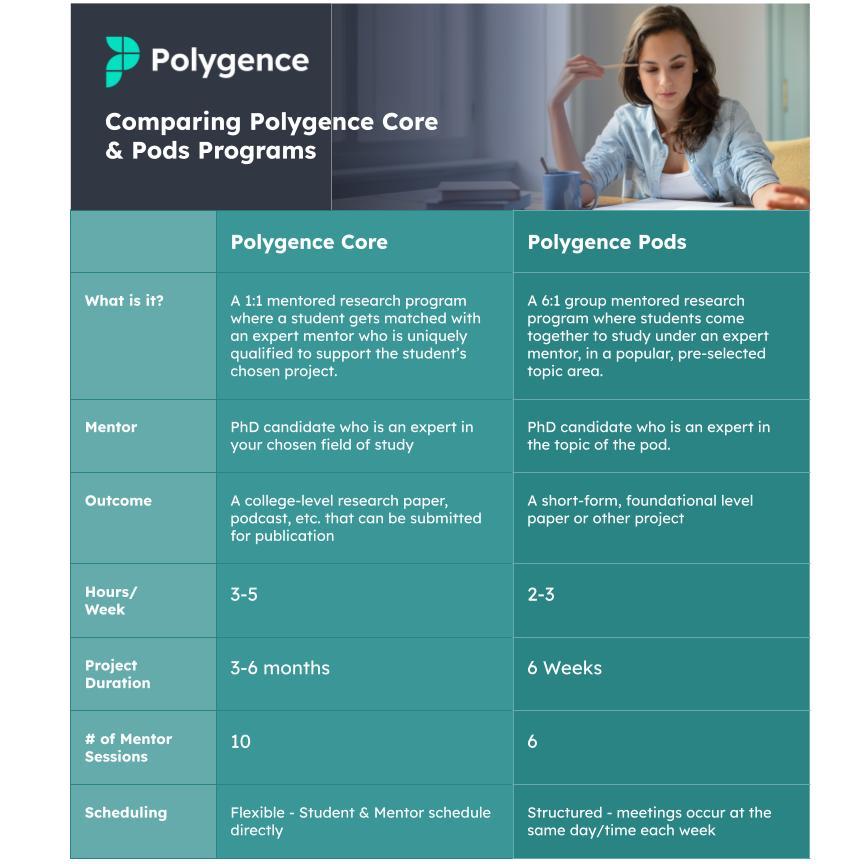
Polygence is designed to help you find, pursue, and complete your ideal independent project in architecture. Our core research mentorship program is renowned for matching motivated students with experienced mentors to guide and advise them towards success.
For industry-oriented students, our Work Lab program places participants at real-world architecture firms where they’ll contribute to actual projects based on their interests and goals. Students get hands-on experience working with professional architects, solving tough problems, getting creative, making decisions, and seeing their impact and value.
Alternatively, with its condensed timeline, Polygence Pods is perfect for students who are eager to gain foundational knowledge about architectural principles before launching an independent project. Over six weeks, participants join five like-minded peers as they learn from an industry expert with an advanced degree in architecture. The small group setting fosters teamwork and creative dialogue while providing students with individualized guidance.
For more information, check out recent reviews and testimonials from Polygence parents and past scholars.
Apply now to discover how Polygence can give you the structure, support, and confidence to start building your architecture career today.
Related Content
Get an Edge in College Admissions Through Doing a Research Project
How I Advocated for Students as an Admission Officer when they Wrote About Passion Projects
Think Research in High School is Daunting and Confusing? Think Again!
Do Your Own Research Through Polygence
Your passion can be your college admissions edge! Polygence provides high schoolers a personalized, flexible research experience proven to boost your admission odds. Get matched to a mentor now!"